The Importance of Cultural Competency in Healthcare Staffing
28 Apr 2026

The Importance of Cultural Competency in Healthcare Staffing
Australia is one of the most culturally diverse nations in the world, with nearly thirty percent of the population born overseas and hundreds of languages spoken across the country. For healthcare providers, this diversity presents both opportunities and challenges. Cultural competency the ability to understand, respect, and effectively respond to the cultural needs of patients has become an essential skill for healthcare professionals.
Cultural competency in healthcare goes beyond simply being aware of different cultural backgrounds. It involves understanding how cultural beliefs and values influence health behaviours, communication styles, and treatment preferences. For example, some cultures have specific beliefs about illness causation, dietary practices during sickness, or the role of family in decision-making. Healthcare professionals who understand these nuances can provide more effective, respectful care that leads to better patient outcomes.
The consequences of cultural incompetence in healthcare can be serious. Miscommunication due to language barriers or differing communication styles can lead to misdiagnosis, medication errors, and poor treatment adherence. Patients who feel their cultural needs are not respected may delay seeking care, withhold important health information, or disengage from treatment altogether. In aged care and disability settings, cultural sensitivity is particularly important as it directly affects residents' quality of life and sense of belonging.
At Care Nest, we prioritise cultural competency in our recruitment and training processes. We actively seek candidates from diverse backgrounds who reflect the communities we serve. All our staff receive training in culturally safe practice, including understanding Aboriginal and Torres Strait Islander health needs, working with interpreters, and providing care that respects religious and cultural practices.
We believe that cultural competency is not an optional extra but a fundamental requirement for quality healthcare. By building a diverse workforce and investing in cultural training, Care Nest ensures that every patient receives care that respects their identity, values, and cultural background. This commitment to culturally safe care sets us apart as a staffing provider that truly understands the communities we serve.
Recent Posts
Managing Chronic Conditions at Home with Professional Support
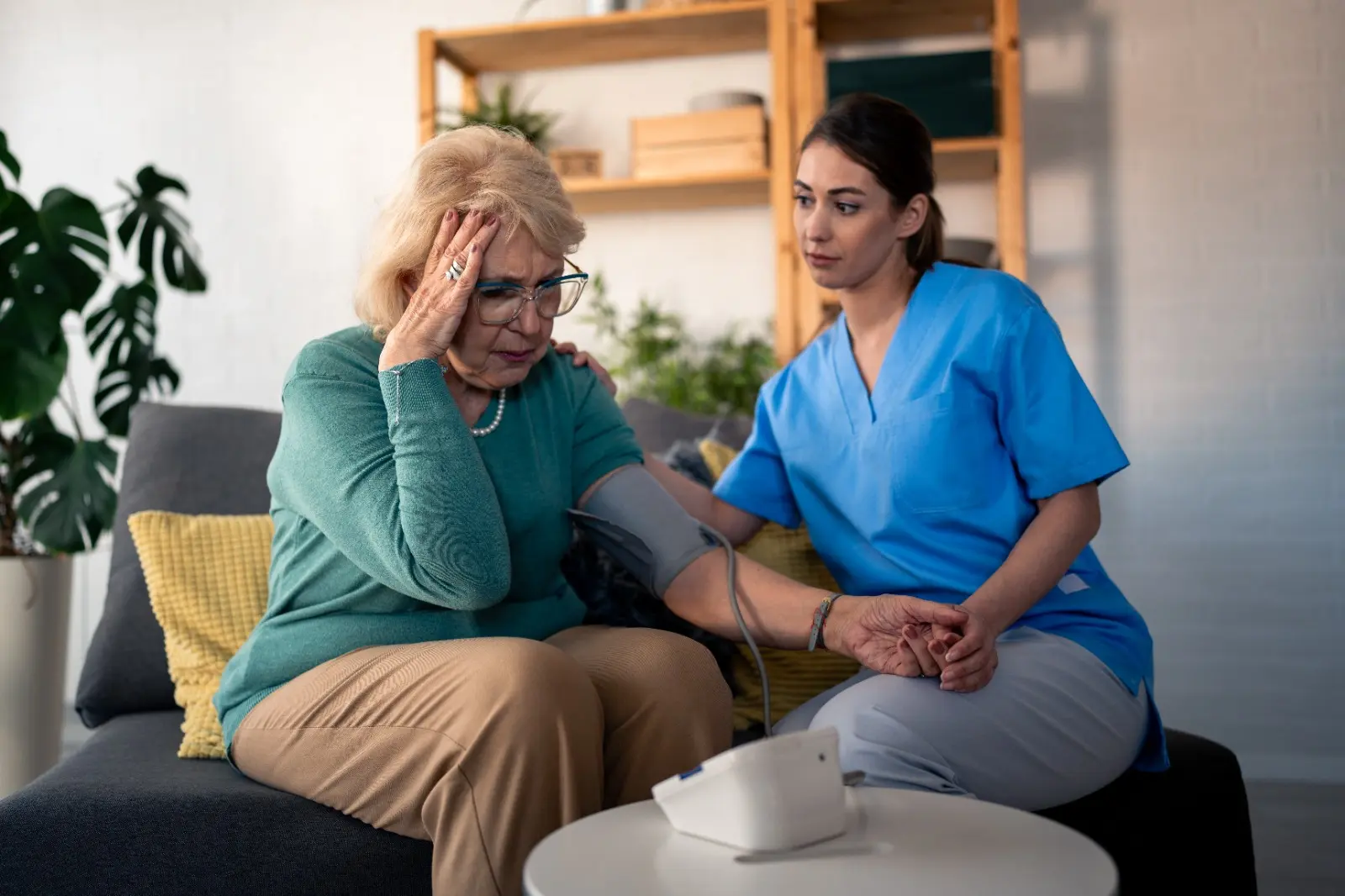
Living with a chronic condition presents daily challenges, but with the right support, many people can manage their health effectively at home and maintain a good quality of life. Chronic conditions such as diabetes, heart disease, respiratory conditions, and arthritis affect millions of Australians, and the demand for home-based support continues to grow as the population ages and healthcare services evolve.
Effective chronic disease management at home requires a comprehensive approach that addresses medical, lifestyle, and psychosocial factors. Community nurses play a vital role in monitoring vital signs, managing medications, providing wound care, and educating patients about their conditions. They work collaboratively with general practitioners and specialists to ensure that care plans are implemented effectively and adjusted as patients' needs change over time.
For patients with diabetes, community nurses can provide blood glucose monitoring, insulin management, foot care, and dietary education. Heart failure patients benefit from regular monitoring of weight and symptoms, medication adjustments, and lifestyle guidance to prevent exacerbations. Respiratory patients including those with COPD receive support with inhaler techniques, oxygen therapy management, and pulmonary rehabilitation exercises.
Allied health professionals also play an important role in chronic disease management at home. Physiotherapists help patients maintain mobility and strength, occupational therapists recommend home modifications and adaptive equipment, dietitians provide nutritional guidance for managing specific conditions, and exercise physiologists develop safe exercise programs tailored to individual capabilities and limitations.
Care Nest is committed to helping people with chronic conditions live well at home. Our community nursing and allied health services are designed to provide the professional support needed to manage complex health needs while maximising independence and quality of life. We work closely with patients, families, and healthcare teams to deliver coordinated, person-centred care that achieves the best possible outcomes.

How Technology is Transforming Healthcare Staffing
Technology is revolutionising the way healthcare facilities find, manage, and retain staff. From artificial intelligence-powered matching algorithms to mobile scheduling applications and digital credential verification systems, innovations are making healthcare staffing faster, more efficient, and more reliable than ever before. Understanding these technological advances is essential for facilities that want to stay competitive in attracting and retaining healthcare talent.
One of the most significant technological developments in healthcare staffing is the use of AI and machine learning for candidate matching. Advanced algorithms can analyse job requirements, candidate skills, experience, availability, and preferences to identify optimal matches in seconds. This technology dramatically reduces the time spent manually reviewing applications and increases the likelihood of successful placements that meet both client and candidate expectations.
Mobile scheduling applications have transformed how staff manage their availability and shifts. Healthcare professionals can update their availability in real-time, receive shift notifications, accept or decline offers instantly, and access their schedules from anywhere. For facilities, these platforms provide visibility into staffing levels, automated shift reminders, and reduced administrative burden. The result is fewer unfilled shifts and improved communication between facilities and staffing providers.
Digital credential verification is another area where technology is making a significant impact. Rather than manually verifying qualifications, registrations, and compliance documents, modern systems can automatically check credentials against national registers, track expiry dates, and flag upcoming renewals. This automation reduces administrative overhead while improving compliance and reducing the risk of staff working with expired credentials.
Care Nest is committed to leveraging technology to improve our staffing services. We invest in modern platforms that enhance our ability to match the right people with the right roles quickly and efficiently. While technology cannot replace the human element of healthcare, it can support our team to deliver faster, more reliable service to the facilities and professionals we serve.
Career Pathways in Aged Care: From PCA to Facility Manager
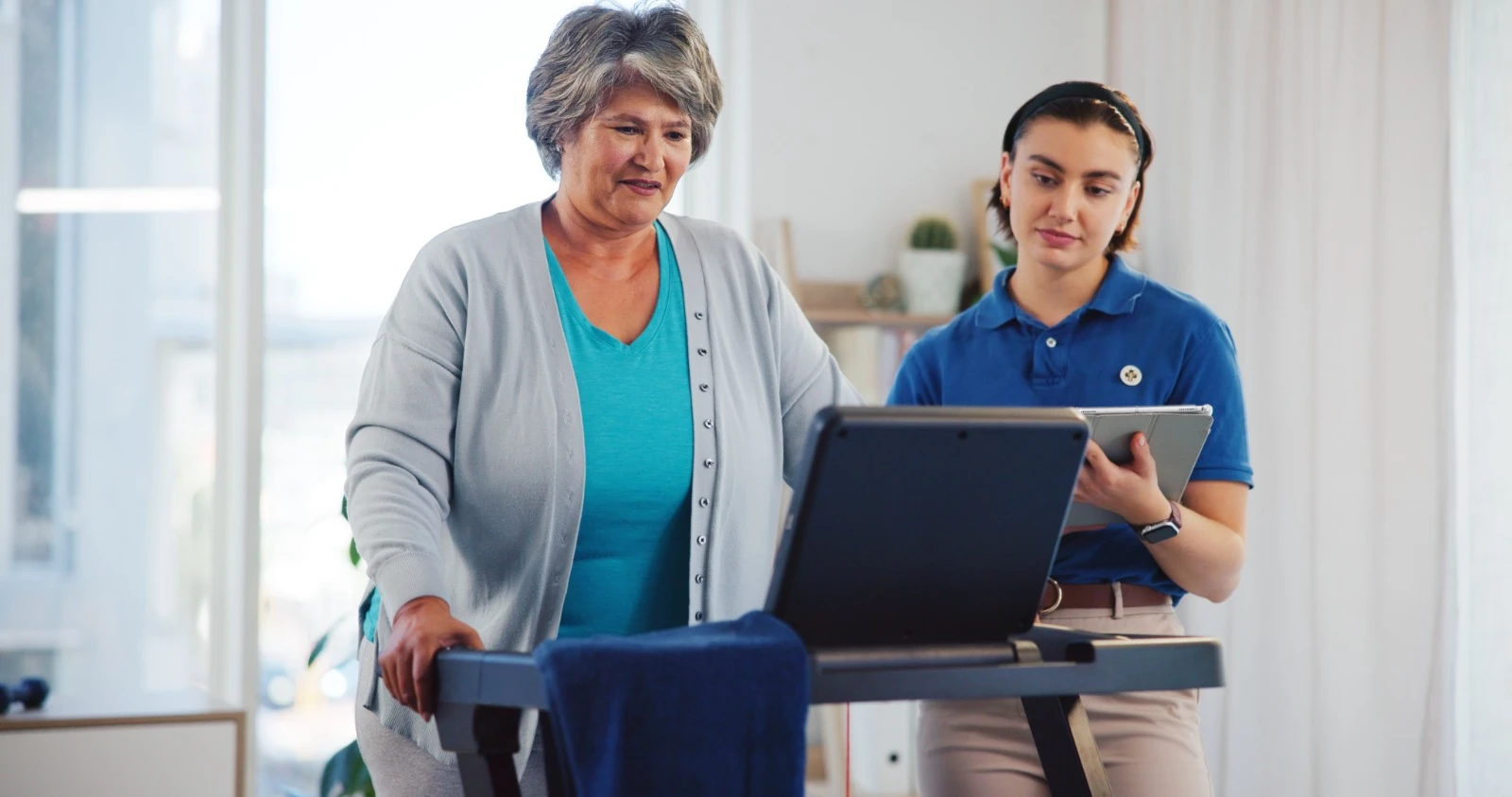
The aged care sector offers diverse and rewarding career progression opportunities for dedicated professionals. Many people enter the sector as Personal Care Assistants and, with the right training and experience, advance through roles of increasing responsibility all the way to facility manager or director of nursing. Understanding these career pathways can help aged care professionals plan their professional development and achieve their career goals.
The entry point for most aged care careers is the Personal Care Assistant role. PCA's provide direct care to residents including assistance with bathing, dressing, eating, mobility, and social activities. This frontline role provides invaluable experience in understanding resident needs, building relationships, and developing the practical skills that form the foundation of aged care practice. Most PCA's hold a Certificate III in Individual Support, which can be completed through TAFE or registered training organisations.
From PCA, many professionals progress to enrolled nursing roles by completing a Diploma of Nursing. Enrolled nurses work under the supervision of registered nurses and take on additional clinical responsibilities including medication administration, wound care, and clinical observations. This role offers greater clinical challenge and responsibility while still maintaining direct resident contact.
Registered nurses in aged care have completed a Bachelor of Nursing degree and can take on leadership positions such as clinical care coordinator or senior registered nurse. These roles involve care planning, clinical governance, staff supervision, and quality improvement. Experienced registered nurses may progress to director of nursing or facility manager positions, where they oversee all clinical operations and ensure regulatory compliance.
Care Nest supports aged care professionals at every stage of their career journey. We offer placement opportunities across all levels of seniority, from entry-level PCA positions to executive management roles. We also support our staff with access to professional development, mentoring, and career advice to help them achieve their full potential in this rewarding sector.